
Slippery Elm: The Wonder Herb
If you could have one herb in your cupboard look no further than slippery elm. Slippery elm, also known as Red Elm or Sweet elm, is a species of elm native to North America. Slippery elm powder is made from the inner bark of the tree and has been used traditionally to treat such conditions as coughs, sore throats, heart burn, diarrhoea, constipation, gastric ulcers, colitis as well as a variety of skin conditions such as wounds, boils and abscesses. During the American revolution, slippery elm was used to speed the healing of wounds of injured soldiers and was also made into a gruel which fed starving troops when there was nothing else available. Slippery elm is a source of many nutrients (what herbalists call a nutritive) including carbohydrates, protein, fat, fibre, bioflavonoids, calcium, magnesium, sodium and vitamins A, E, C, K and B complex. It is also a popular prebiotic and supports the growth of a balanced gut flora. This all makes it a good choice for recuperating pets, as well as soldiers!
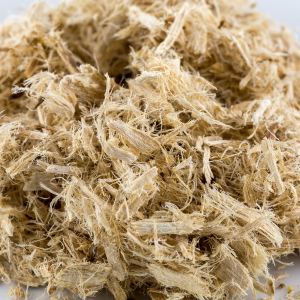
Slippery elm powder contains mucilage which makes a thick pulp when mixed with water. This gives it demulcent properties whereby it lines the surface of mucous membranes to soothe and lubricate them. The mucilage also helps to bind toxins in the gut-useful for a dog that has gulped down something rotten down at the beach! Tannins in the powder are anti-inflammatory and work to settle digestive tract inflammation. Episodes of diarrhoea, stomach and mouth ulcers, gastritis, colitis and irritable bowel syndrome all respond well. The soothing and lubricating properties also make it useful for constipation as well as inflamed upper respiratory tract mucous membranes. This makes it a useful herb for pets with kennel cough and bronchitis. Slippery elm literally is the wonder herb!
When made into a slurry with water and used externally slippery elm can remove the discomfort and inflammation of a number of skin issues such as rashes, burns, abrasions, small ulcers, hot spots and insect bites. It’s emollient action also softens, soothes and protects the skin. The slurry can be used as a poultice to draw out infection from boils and anal gland abcesses. The challenge will be keeping your dog from licking the area so try a few distractions like toys. After a few hours of acting as a natural bandage the dried mixed can be softened with water and wiped clean.
Slippery elm has a mild, slightly sweet taste and is usually well tolerated by cats and dogs when mixed with their food. It is also one of the safest herbs to use for puppies, adult animals and geriatrics. It is, however, best avoided in pregnant animals due to abortion risks.
Slippery elm is such a useful herb to have on hand for a variety of conditions. It is my go to for acute episodes of diarrhoea! Be sure to see your vet though if your animal’s diarrhoea does not improve over a few days with a change in diet and added slippery elm. If the diarrhoea becomes bloody this needs the help of your vet. Unfortunately slippery elm is becoming an endangered species in America due to overharvesting, Dutch elm disease and elm leaf beetles. It is wise to not use more than you need and to source powder from responsible producers.
If this wonder herb sounds like something you would like to have on hand, get in contact with us for help on dosing and sourcing it responsibly.
More Posts
Duke’s Story
Ciao, my name is Duke and I am an Italian boy. I was adopted by mom when I was 10.